.png)

In the dynamic world of search engine optimization (SEO), on-page SEO optimization plays a pivotal role in determining your website visibility and ranking on the coveted first page of search engine results.
This comprehensive on-page SEO guide will delve into the essential strategies and techniques that can elevate your website chances of securing a prime spot in search engine rankings.
What is On-page SEO?
On-page SEO (Search Engine Optimization) refers to the practice of optimizing individual web pages to improve their visibility and ranking on search engine results pages (SERPs).
It involves various strategies and techniques aimed at making your web content more appealing to search engines and ultimately, to users.
Effective on-page SEO can lead to higher organic (unpaid) search engine rankings and increased organic traffic to your website.
Key elements and strategies involved in on-page SEO include:
Keyword Research and Optimization
Conducting thorough keyword research is essential for any successful on-page SEO strategy.
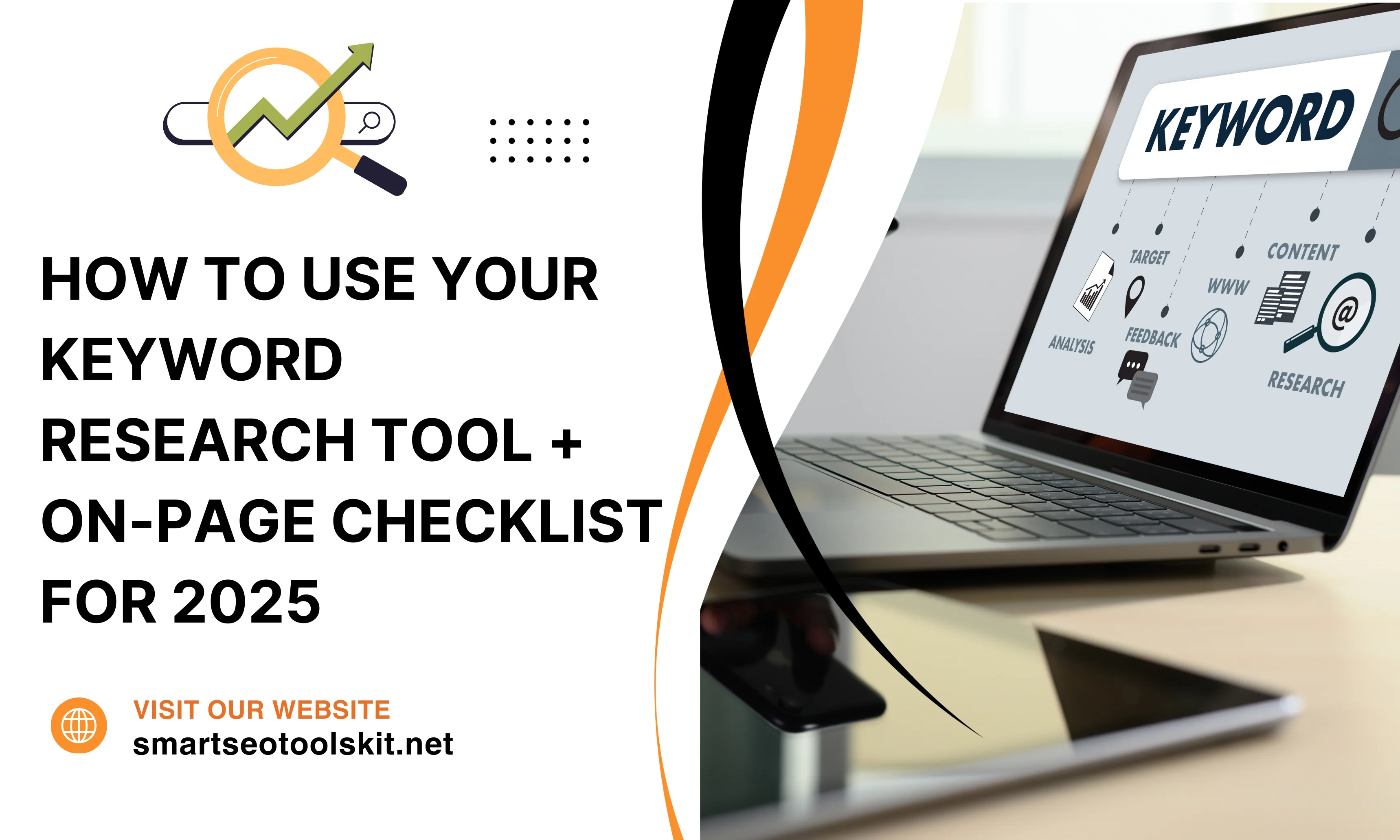
Utilize keyword research tools like Google Keyword Planner, SEMrush, or Ahrefs to identify relevant keywords and phrases that your target audience is likely to use when searching for your products, services, or content.
And research high-traffic keywords for your blogs and websites.
After pinpointing the appropriate keywords and phrases, incorporate them into:
– Page Titles: Craft compelling, concise titles that include your primary keyword and accurately reflect the content of your page.
– Meta Descriptions: Write engaging meta descriptions that not only include keywords but also entice users to click through to your page.
– Headings and Subheadings: Use heading tags (H1, H2, H3, etc.) to structure your content and include relevant keywords where appropriate.
– Content: Naturally integrate keywords throughout your content, ensuring it reads smoothly and offers value to readers.
High-Quality, Relevant Content
Search engines prioritize content that offers value and satisfies the queries of users. Generate quality, enlightening, and intriguing content that meets the requirements of your intended audience. Well-structured content not only keeps visitors engaged but also signals to search engines that your page is relevant and authoritative.
– Word Count: While there is no strict rule, longer-form content often performs well. Aim for comprehensive, in-depth articles that thoroughly cover the topic.
– User Intent: Understand user intent behind specific keywords and craft content that meets those intentions.
– Multimedia Elements: Enhance your content with images, infographics, videos, and other multimedia elements to make it more visually appealing and informative.
URL Structure and Optimization
A clean and organized URL structure not only aids in user navigation but also assists search engines in understanding the content of your pages. Follow these tips for optimal URL structure:

– Keep it concise: Use a short and descriptive URL that provides a clear idea of the pages content.
– Use hyphens: Separate words in the URL using hyphens (-) to improve readability.
– Include keywords: Incorporate relevant keywords in the URL to enhance its SEO value.
Mobile-Friendly and Responsive Design
With the majority of internet searches taking place on mobile devices, having a mobile-friendly and responsive website design is crucial. Google algorithm considers mobile compatibility as a ranking factor, so ensure your site design is responsive, ensuring a seamless user experience across all devices.
– Responsive Design: Design your website to automatically adjust and look great on various screen sizes.
– Page Loading Speed: Optimize images, minimize code, and leverage caching to enhance page loading speed, which is essential for both user experience and SEO.
Internal and External Linking
Strategic linking within your content can significantly impact your on-page SEO efforts. Both internal links (links that point to other pages on your website) and external links (links to other authoritative websites) contribute to search engine visibility.
– Internal Links: Connect related pages within your website to establish a logical flow and help users find relevant information easily.
– External Links: Cite reputable sources and link to authoritative content that complements your topic, enhancing your content credibility.
Optimize Images and Media
Images and multimedia elements are essential for enhancing user engagement, but they can also affect page load times. Properly optimize images by:
– Compressing images: Use tools to reduce image file sizes without compromising quality.
– Adding ALT tags: Include descriptive ALT text for images to make them accessible to both users and search engines.
Conclusion
Mastering the art of on-page SEO is pivotal for securing a prime position on the coveted first page of search engine results.
By conducting thorough keyword research, producing high-quality content, optimizing URLs, embracing mobile responsiveness, leveraging strategic linking, and optimizing media elements, you will be well on your way to elevating your website visibility, authority, and user experience.
Stay updated with SEO trends and algorithm changes to continuously refine your on-page optimization strategy and maintain your competitive edge.
Frequently Asked Questions (FAQs)
Q1: What is on‑page SEO?
On‑page SEO, also known as on‑site SEO, refers to all optimizations you make on your own web pages—including HTML, content, images, and internal linking—to help search engines understand and rank your page effectively.
Q2: Why is on‑page SEO important?
On‑page SEO lays the foundation for higher visibility and better rankings by aligning your content with user intent and improving technical and content signals that search engines use to evaluate your site.
Q3: How do I optimize page titles, meta descriptions, and headings?
Ensure title tags include relevant keywords and clearly describe the page topic. Use meta descriptions to improve CTR by summarizing the value of your page. Structure headings (H1–H3) to match subtopics and maintain readability for both users and search engines.
Q4: What technical elements matter in on‑page SEO?
Optimize your page speed, mobile-friendliness, HTTPS security, and crawlability. Also, ensure your site architecture is logical, URLs are clean, and you use structured data like schema markup where applicable.
Q5: How should I include keywords in my content?
Perform keyword research to understand search intent. Then place keywords naturally in the URL, title, headings, body, and image alt text—while ensuring content is helpful, well-structured, and user-friendly.
Related Tags :